Remember Curlew, the right whale that swam to the Bahamas? She’s a new momHeather McCarron, Cape
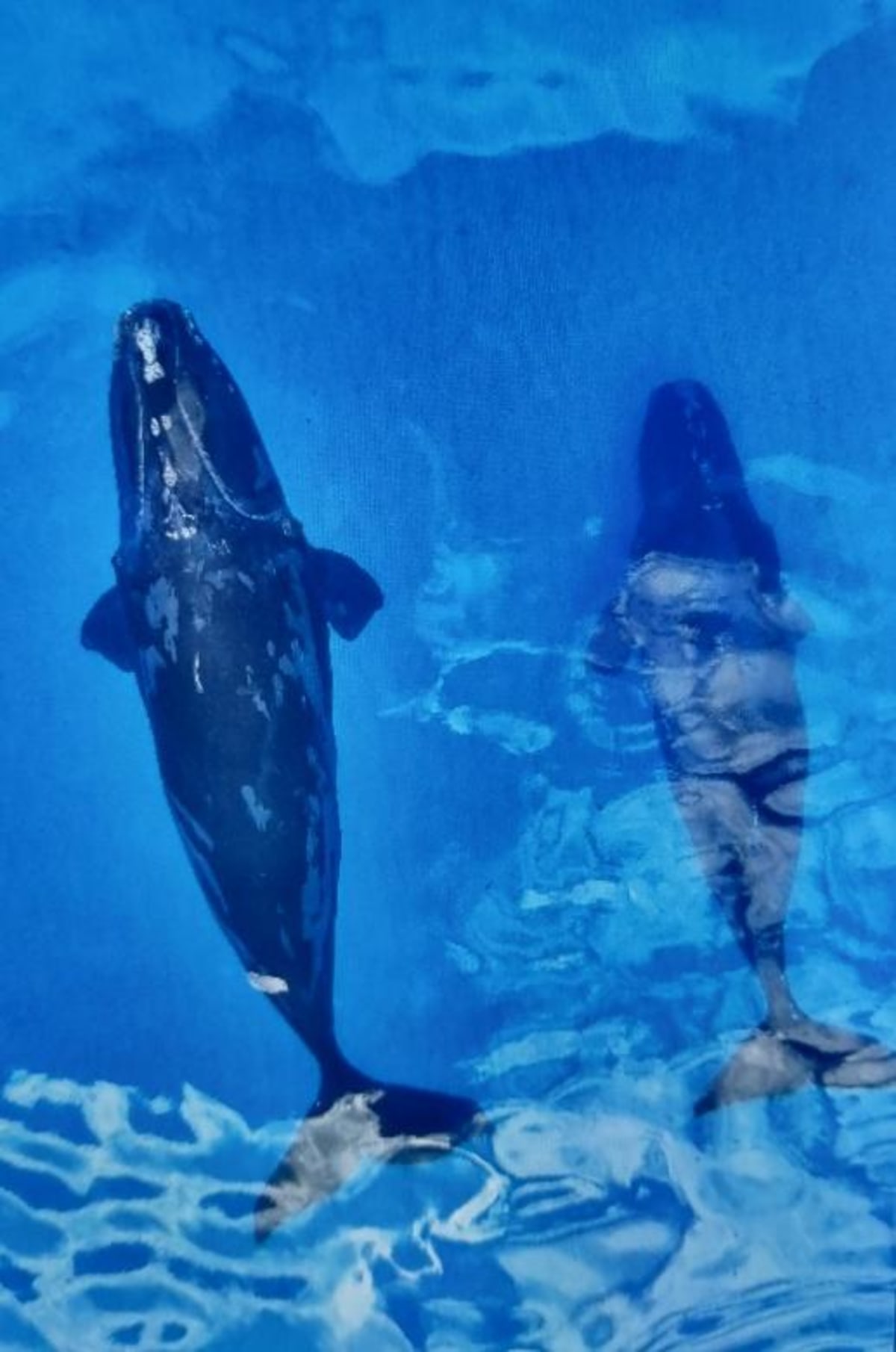
Last year, Curlew wasn't interested in settling down.
While most North Atlantic right whales made their annual migration north, the teenaged female right whale took an unusual tour, venturing all the way to the Bahamas in a journey that surprised scientists and made headlines far beyond the whale research community.
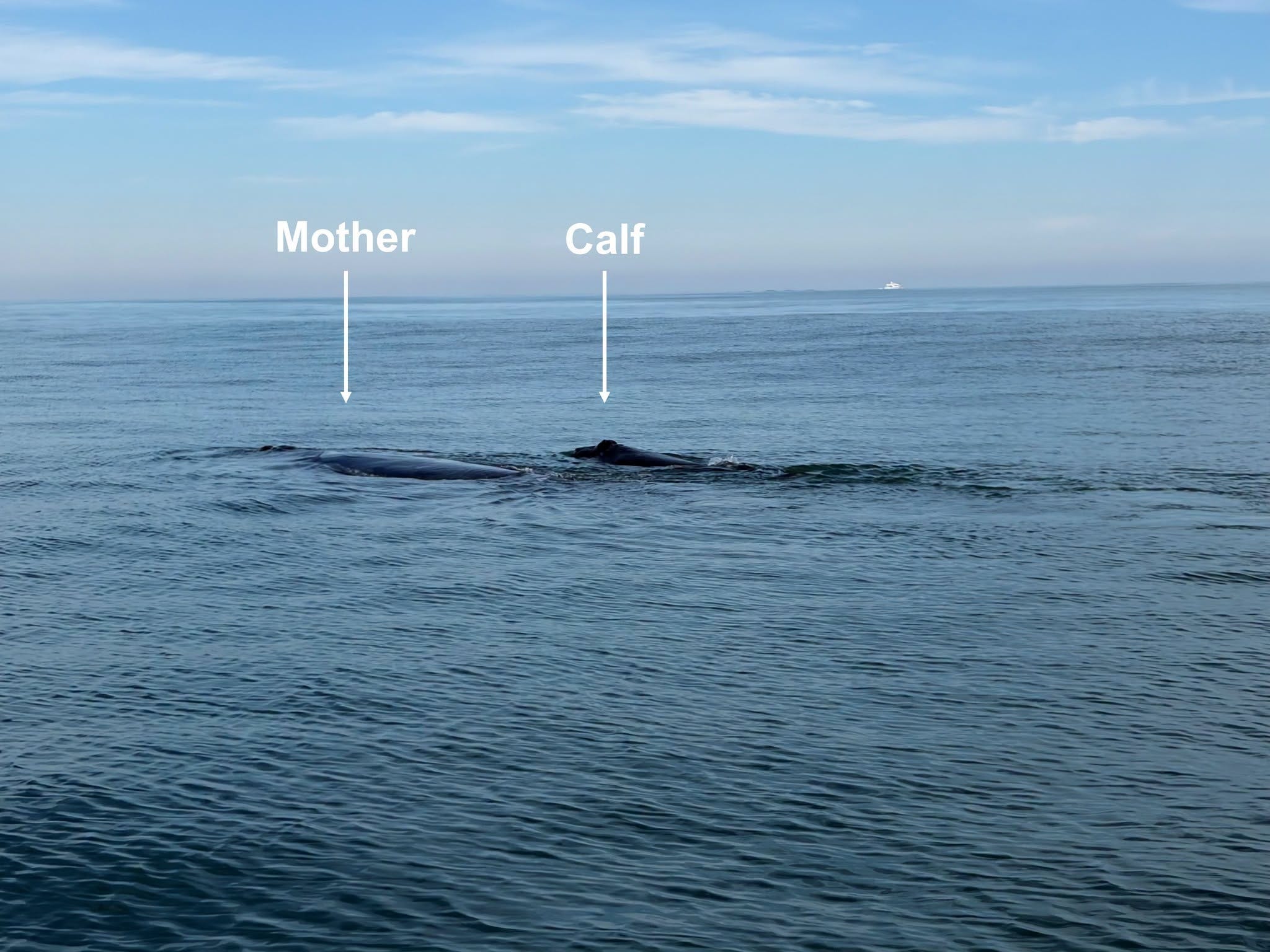
Now Curlew is making headlines again. This time, she's arrived with a newborn − the first North Atlantic right whale calf spotted for the 2026-2027 season.
Researchers with the Florida Fish and Wildlife Conservation Commission's Research Institute confirmed on Nov. 12 that Curlew — a 15-year-old North Atlantic right whale listed as #4190 in the North Atlantic Right Whale Catalog — was spotted on Nov. 10 with her first known calf.
Boaters spotted the pair about 11 nautical miles off St. Augustine Inlet, Florida and reported them to NOAA, marking the first documented mother-calf pair of the 2026-2027 calving season.
The likely last calf counted for the previous season, 2025-2026, made its own headlines when it was spotted Sept. 25, as a surprise addition to that year's tally.
The sighting officially kicks off one of the most eagerly anticipated seasons for right whale researchers. The calving season for the critically endangered species typically runs from mid-November through mid-April in the waters off Florida and Georgia.
"This seems a little earlier than usual," said Lindsey Jones, scientific program manager for the Kraus Marine Mammal Conservation Program at the New England aquarium and manager of the right whale catalog.
But it's not unprecedented, she added. "Surveys in the southeast start Nov. 15. We've had a few calves in early November, and the surveys cover them really well."
The early arrival comes on the heels of last year's baby boom. Researchers documented 24 calves during the 2025-2026 calving season, including the previously unidentified calf in Canadian waters in late September. That was the highest number since 2009 and the fourth-highest annual total recorded since 2001.
For scientists and conservationists, each new birth carries outsized significance. Female North Atlantic right whales have struggled in recent decades with declining reproductive rates, delayed reproduction and longer intervals between births, and the species continues to face threats from vessel strikes and entanglement in fishing gear.
The early birth comes as good news for right whale watchers.
"We're thrilled to welcome the first North Atlantic right whale calf of the season," said Oceana marine scientist Nora Ives. "With only around 380 individuals remaining, each new birth is a fragile building block toward recovery."
From explorer to mother
Curlew was already familiar to many whale researchers before becoming this season's first documented mother.
In April 2025, she and another female right whale named Koala stunned scientists by appearing off Bimini in the Bahamas, the first documented North Atlantic right whales ever recorded in Bahamian waters.
The sighting was especially surprising because most right whales had already begun moving north toward feeding grounds in Cape Cod Bay and elsewhere in New England and Canadian waters. Instead, Curlew and Koala lingered in southern waters, traveling through the Gulf of Mexico and along the Florida coast before surfacing in the island chain.
"They're certainly doing an exploration," New England Aquarium senior scientist Philip Hamilton said at the time.
Researchers were intrigued not only by their unusual route, but also by the relationship between the two whales. Although right whales occasionally travel together, Hamilton noted that long-term associations between adult females are relatively uncommon.
Whatever inspired the journey, the pair's tropical detour remains one of the most unusual right whale sightings in recent history.
Now Curlew is drawing attention for a more traditional milestone. According to Jones, she is a first-time mother. The sighting with her baby occurred just days before seasonal vessel speed restrictions are scheduled to take effect in designated right whale habitat in the southeastern United States on Nov. 15. Conservation groups said the sighting serves as a reminder that whales can be present before seasonal protections begin.
Curlew and her calf were photographed resting near the ocean's surface, where right whale mothers and calves spend much of their time during the first months of life. The behavior also makes them particularly vulnerable to vessel strikes, Ives said, since their dark coloration and low profile in the water make them difficult to see.
Oceana noted that a recreational fishing vessel can been seen in the background of the first photo of Curlew and her newborn, highlighting the overlap between whale habitat and boating activity.
"Boaters should slow down and stay vigilant to protect themselves and the whales from a catastrophic crash," said Ives. "Watching speed and watching for whales protects lives, livelihoods, and one of the ocean's most endangered species."
Though North Atlantic right whales give birth in the warmer waters in the southeast, researchers on Cape Cod are also already on alert for the whales' annual return to New England.
Scientists with the Center for Coastal Studies in Provincetown usually begin their lookout in December but recently started conducting surveys earlier in order to better understand where the animals spend time before arriving in Cape Cod Bay. The expanded survey season is already producing results. During an Oct. 25 aerial survey, the CCS team spotted three right whales, including one showing signs of a recent entanglement and a mother-calf pair from the 2025-2026 calving season that is not expected to remain together much longer as the young whale gain independence.
Researchers will continue surveying calving waters off Florida and Georgia through the winter, watching for additional mother-calf pairs. It's far too early to know whether the season will approach last season's big numbers. But with the first newborn arriving ahead of the formal survey season, scientists already feel the excitement mounting for another healthy calving season.
"That's what we hope for every year," Jones said.
Ives shares the optimism. "Last year, we saw the strongest calving season in over 15 years with 24 calves," she said. "We hope this first calf is one of many new arrivals in Atlantic waters this season."
Heather McCarron, hmccarron@capecodonline.com, writes about marine and wildlife, WHOI, environmental issues, offshore wind, and issues in Barnstable, Falmouth and Brewster.
Consider subscribing to the Cape Cod Times: https://subscribe.capecodtimes.com/offers
This article originally appeared on Cape Cod Times: Remember Curlew, the right whale that swam to the Bahamas? She’s a new mom
Source: Nature



0 Comments